
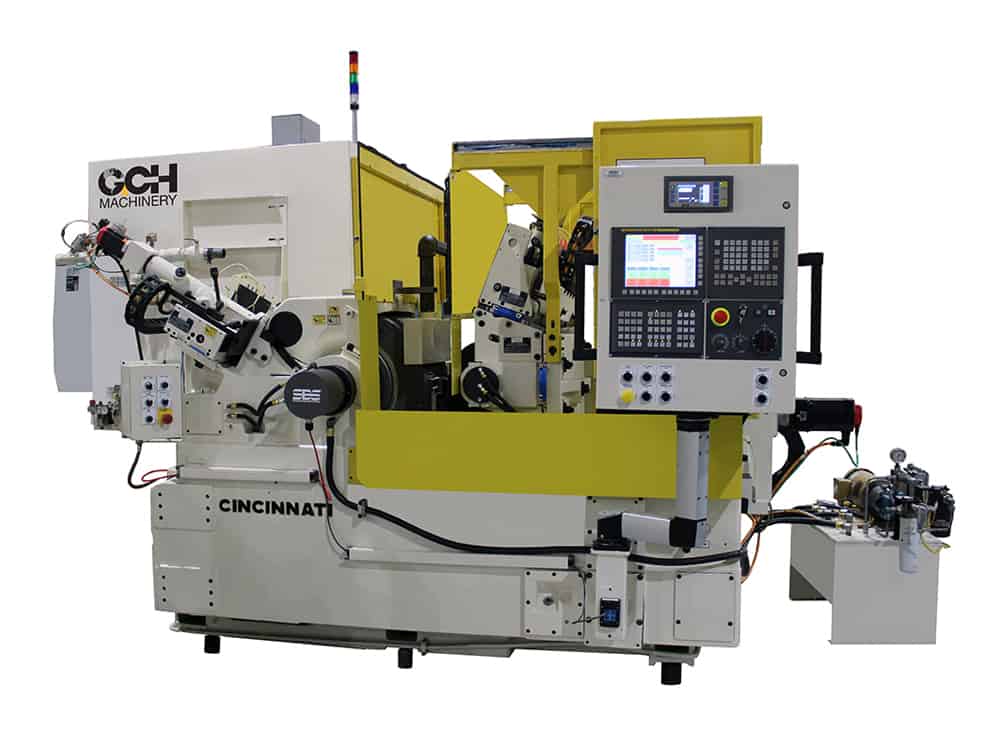
Many Cincinnati grinders still in use today have something valuable in common: solid mechanical bones. The structural integrity is there. The spindles, the guideways, the fundamental engineering—all holding up. What’s failing, more often than not, is the controls platform. Outdated electronics cause alarms, slow down setup, and leave operators scrambling for parts that they probably don’t have on hand.
Replacing the entire machine sounds like the obvious fix, but it’s also an expensive one. A Cincinnati grinder controls retrofit—specifically a partial approach—offers a smarter path forward. Rather than overhauling everything, you target the components that are actually causing problems and replace them with modern equivalents. The result: a more reliable, modernized machine without the higher cost of buying a new one.
What Is a Partial Controls Retrofit for a Cincinnati Grinder?
A partial controls retrofit focuses on upgrading specific electronic or control-related components of a grinding machine while leaving functional systems in place. This is different from a full CNC control retrofit, which replaces most or all of the existing control platform.
Depending on the specific machine’s condition and performance gaps, a partial retrofit might address one or more of the following components:
- HMI interfaces – Modernizing the operator display and input systems
- Servo drives – Replacing aging drive systems to improve motion control and reliability
- PLCs – Upgrading programmable logic controllers for improved machine logic and diagnostics
- Motion control systems – Modernizing axis control and positioning performance
- Electrical panels – Updating obsolete electrical components, wiring and related controls
The key advantage is selectivity. You fix what’s broken, modernize what’s holding you back, and preserve what’s still working.
Signs Your Cincinnati Grinder May Need a Partial Controls Retrofit
Knowing when to act is half the battle. A grinding machine retrofit makes sense when you’re experiencing issues rooted in the controls—not the mechanical structure. Common indicators include:
- Frequent control-related alarms and unexplained faults
- Difficulty sourcing replacement electronic components for aging or obsolete controls
- Slow, cumbersome machine setup and programming
- Operators spending excessive time troubleshooting rather than running production
- Inconsistent machine performance or part quality when controls are contributing to the problem
- Production interruptions tied directly to aging electronics
If any of these signs sound familiar, a partial retrofit could resolve the root cause of your Cincinnati grinder issue without the timeline or cost of a full machine replacement.
Key Benefits of Partial Controls Retrofits
The benefits of a partial controls retrofit are practical and measurable, whether the upgrade involves CNC controls or other electronic systems. Here’s what manufacturers typically gain:
- Reduced upgrade costs – Targeted upgrades cost significantly less than full control replacements or new machine purchases.
- Extended Cincinnati grinder service life – Replacing aging or obsolete controls can help extend the useful service life of a mechanically sound Cincinnati grinder.
- Improved reliability – Modern components mean fewer breakdowns and more predictable uptime.
- Enhanced operator productivity – Updated HMIs and faster programming tools reduce setup time.
- Better parts availability – Modern replacement components can be easier to source and support than obsolete controls.
Which Cincinnati Grinder Components Deliver the Greatest Retrofit Value?
Not all upgrades carry equal weight. When evaluating a partial CNC retrofit, the following components tend to deliver the most immediate impact:
- PLC and motion control upgrades can improve machine logic, reduce faults, and enable more precise axis control.
- HMI modernization can give operators a cleaner interface, faster diagnostics, and improved ease of use.
- Servo drive replacement can restore accurate, reliable motion and reduce positioning errors.
- Electrical system enhancements can replace obsolete components, improve system reliability and safety, and support easier maintenance.
Partial Controls Retrofit vs. Full Controls Retrofit
Choosing between a partial or full retrofit depends on the scope of your grinding machine’s issues. The table below outlines the key differences to help guide that decision:
Partial Controls Retrofit | Full Controls Retrofit |
Lower investment | Higher investment |
Faster implementation | Longer project timeline |
Targets specific problem areas | Replaces entire control platform |
Extends machine life | Fully modernizes machine controls |
Ideal for mechanically sound grinders | Best for heavily outdated systems |
How a Partial Control Panel Retrofit Can Support Long-Term Grinding Performance
A well-executed partial retrofit doesn’t just solve today’s problems—it could also position your machine for long-term reliability. Manufacturers who invest in grinding machine modernization solutions through targeted upgrades typically see improved uptime, lower maintenance costs, greater operational consistency, and better utilization of existing equipment assets. That’s a strong return compared to the capital outlay of replacement.
Why Cincinnati Grinder Operators Partner with GCH Machinery
GCH Machinery’s Cincinnati grinder retrofit experts provide tailored controls solutions to manufacturers across industries. With more than 60 years of experience in the grinding industry, GCH combines retrofit expertise with a deep understanding of grinding equipment. The GCH team can select current control components from leading manufacturers—including Siemens, FANUC, Allen-Bradley, Omron, NUM, and Mitsubishi—based on the machine and retrofit requirements.
Beyond retrofitting, GCH Machinery also offers grinder upgrades, grinder accessories, and full grinder remanufacturing services for grinding machines requiring more comprehensive restoration. Whether the goal is a targeted control fix or a complete mechanical and controls overhaul, GCH Machinery helps operators identify the most effective path for their equipment.
Our grinding machine retrofit and modernization solutions extend beyond Cincinnati grinders to include Blanchard, Gardner, Heald Koyo, Landis, and virtually all major grinder brands. Contact GCH Machinery today to discuss the right retrofit strategy to improve performance, reliability, and machine longevity.