
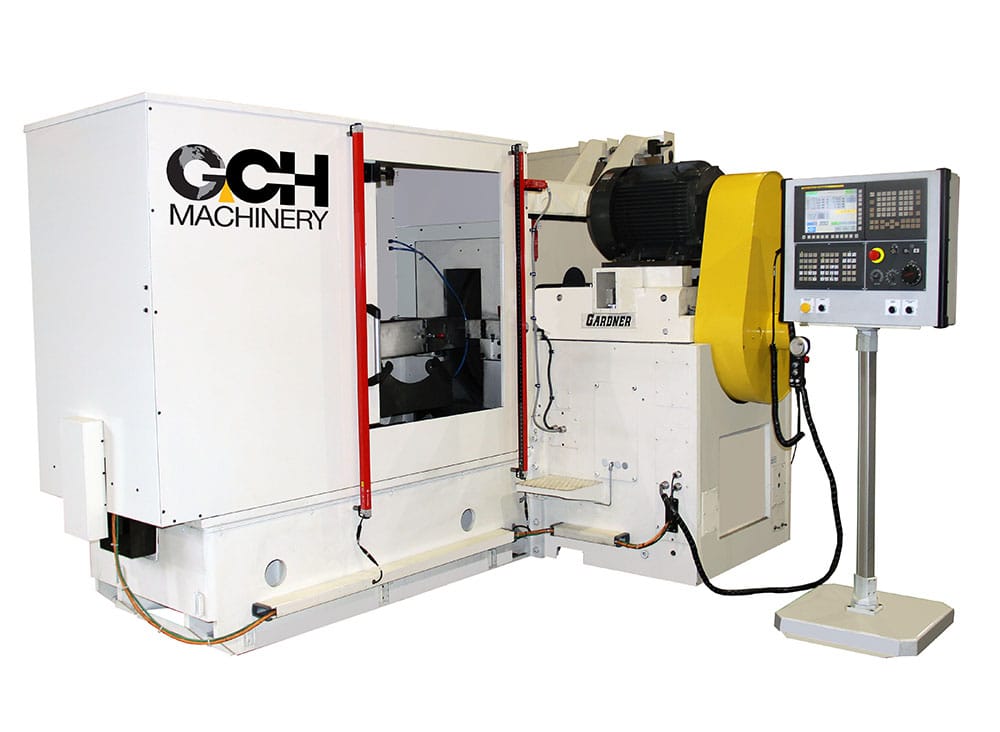
Routine maintenance is the backbone of any efficient manufacturing operation. It keeps spindles turning, coolant flowing, and production numbers high. However, there is a physical limit to what greasing, adjusting, and performing minor part replacements can achieve. Over time, heavy industrial machinery suffers from systemic degradation—structural wear that routine care simply cannot fix.
Relying too long on minor repairs for aging equipment creates a hidden risk. When geometric accuracy drifts and components become obsolete, maintenance becomes a “Band-Aid” solution that drains resources without solving the root cause. This is where double disc grinder remanufacturing enters the conversation—not as a sign of failure, but as a strategic step to restore a business’s competitive advantage.
Understanding the Limits of Double Disc Grinder Maintenance
Knowing how to distinguish between normal wear and tear and systemic machine degradation is vital. Normal wear is expected and managed through lubrication and scheduled part swaps. Systemic degradation, however, affects the machine’s foundation—the guideways, the castings, and the alignment integrity.When you find yourself repeating the same maintenance tasks with diminishing returns, it signals deeper mechanical and control issues. No amount of adjustment can correct a machine base that has warped over decades or guideways that have lost their geometry. Even robust, well-maintained machines from brands like Gardner, Besly, Koyo, Giustina, and DISKUS eventually lose their ability to hold tight tolerances.
At this stage, double disc grinder remanufacturing is the next logical step. It goes beyond maintenance to reset the machine’s lifecycle, restoring it to OEM specifications or better.
Key Signs Your Double Disc Grinding Machine Has Reached the End of Its Maintenance Phase
How do you know when your double disc grinder has crossed the threshold from maintainable to needing remanufacturing? Look for these five critical indicators in your daily operations.1. Accuracy & Parallelism Can No Longer Be Maintained
The primary function of a double disc grinder is achieving precise parallelism and flatness. When you begin noticing inconsistent thickness, taper, or uneven finishes that persist despite calibration, your machine is sending a warning signal. If operators are forced to make frequent adjustments that fail to hold settings for a full shift, maintenance is no longer sufficient. At this point, minor repairs cannot restore the long-term precision required for modern manufacturing standards.2. Rising Scrap Rates & Rework Despite Proper Maintenance
If your scrap bin is filling up despite fresh wheel dressing and proper setup, the issue is likely structural. Grinder performance restoration through remanufacturing addresses the geometric inaccuracies that cause these quality issues. Unlike maintenance, which treats symptoms, remanufacturing restores the machine’s alignment, ensuring that the grinding wheels interact with the workpiece exactly as intended.3. Excessive Vibration & Instability During Operation
Vibration is the enemy of precision. As machines age, wear in the spindles, bearings, and structural components compounds. Vibration is often misdiagnosed as a single-component issue, leading to ineffective emergency grinder repairs. In reality, this instability usually requires a full mechanical rebuild to eliminate. A complete tear-down and rebuild is the only way to resolve the harmonic issues caused by deep-seated wear.4. Maintenance Costs & Downtime Keep Increasing
There is a tipping point where the cost of labor, parts, and lost production exceeds the investment of remanufacturing. If unplanned downtime is disrupting your delivery schedules, the true cost of your grinder is much higher than the maintenance log shows. Double disc grinder rebuilding stops the cycle of diminishing returns and financial bleed caused by constant, reactionary fixes.5. Obsolete Components Limit Performance & Support
Mechanical wear isn’t the only enemy; technological obsolescence is equally dangerous. Older controls, drives, or feedback systems may no longer be supported by the original manufacturer, making it difficult to source parts or technical expertise. This is a prime opportunity for grinding machine automation and grinder upgrades. Remanufacturing allows you to address the root cause by retrofitting modern CNC controls and automation, rather than just fighting the symptoms of outdated electronics.How Grinder Remanufacturing Restores Double Disc Grinding Performance
Remanufacturing is a comprehensive process designed to return a machine to like-new condition.It begins with a complete tear-down, inspection, and root-cause analysis. Every component is evaluated. The process involves the restoration of spindles, guideways, alignments, and bearing systems. Critical surfaces undergo precision hand-scraping, regrinding, and calibration to meet OEM-level tolerances.
Furthermore, grinder retrofitting during this process allows for optional control upgrades. This integration provides improved motion control, better diagnostics, and the ability to integrate with modern factory information systems.
Why Choose GCH Machinery as Your Double Disc Grinder Remanufacturing Partner?
When you decide to extend double disc grinder life through remanufacturing, the partner you choose matters. GCH Machinery stands out for several reasons:- Engineering Prowess: With over 55 years of experience, we don’t just repair; we engineer solutions.
- Turnkey Systems: We handle the entire project, from design and build to automation integration and installation.
- Metrology Lab: Our multi-million-dollar lab ensures every component meets the strictest quality standards.
- Global Inventory: We house the world’s largest inventory of grinder parts, ensuring faster turnaround times.
A Strategic Investment
Maintenance is necessary, but for aging equipment, it is not always sufficient. Signs that your double disc grinder needs remanufacturing are essentially an invitation to invest in your company’s future competitiveness. Remanufacturing is a long-term performance and cost strategy that delivers reliability and precision. Assess your grinder’s condition today. If you are seeing these signs, it is time to restore your equipment to like-new performance. Contact GCH Machinery to discuss your double disc grinder remanufacturing needs. *Required fields
*Required fields
*Required fields
*Required fields
*Required fields
*Required fields
*Required fields
*Required fields